Welcome to Xi’an Good Doctor Medical Science and Technology Co., Ltd.website !
Internet Drug Information Service Qualification Certificate: (Shaanxi)-Non-Operating -2023-0143


【Medical News】A new treatment modality for oncology—intracavitary hyperthermic chemotherapy—has been officially launched.
Recently, our hospital's oncology department successfully introduced a new green treatment model for malignant abdominal tumors - hyperthermic intraperitoneal chemotherapy (HIPEC) - and conducted the first HIPEC treatment for a patient with advanced gastric cancer.
2025-01-06
Recently, Our hospital's oncology department successfully introduced a new green treatment model for malignant peritoneal tumors—intraperitoneal hyperthermic intraperitoneal chemotherapy (HIPEC)—and conducted the first HIPEC treatment on a patient with advanced gastric cancer. Hyperthermic Intraperitoneal Chemotherapy (HIPEC) The implementation of this new clinical treatment method has undoubtedly brought new hope to a large number of cancer patients. It also marks a new breakthrough for the hospital in the construction of a comprehensive prevention and treatment system for malignant peritoneal tumors, specifically in the crucial area of adjuvant therapy. This addresses the clinical need to "prevent and treat tumor implantation and metastasis, and control cancerous ascites." It also lays a solid foundation for the subsequent construction of a more comprehensive and efficient tumor treatment ecosystem. This clinical application of a new treatment method undoubtedly brings new hope and prospects for a large number of cancer patients, and also marks a new breakthrough for the hospital in the construction of a comprehensive prevention and control system for malignant peritoneal tumors, focusing on the key area of adjuvant treatment methods. It meets the clinical treatment needs of "preventing and controlling tumor implantation and metastasis and controlling cancerous ascites," and lays a solid foundation for the subsequent construction of a more perfect and efficient tumor treatment ecosystem.
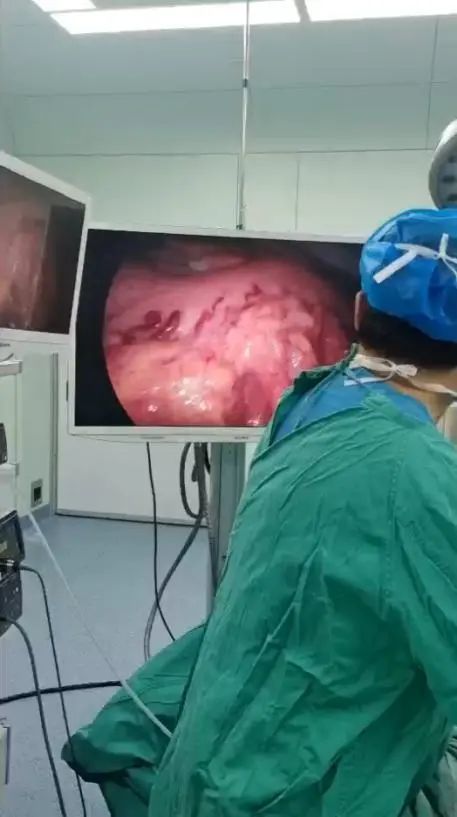
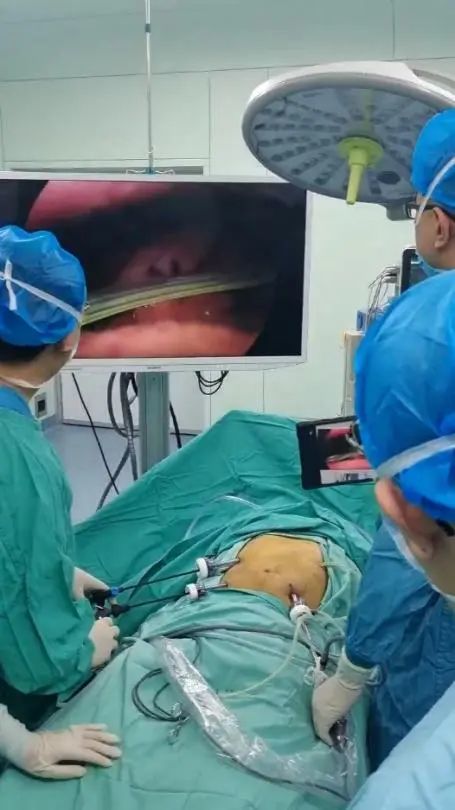
Oncology Department's First Intraperitoneal Hyperthermic Chemotherapy Laparoscopic Surgery
Hyperthermic Intraperitoneal Chemotherapy (HIPEC) As a green and innovative treatment that has emerged in recent years in the field of adjuvant therapy for malignant peritoneal tumors, HIPEC has shown significant clinical efficacy. This technology utilizes catheters placed directly during surgery, indwelling peritoneal drainage catheters placed post-surgery, or catheters placed via percutaneous techniques. The perfusate is automatically heated in the treatment machine before being infused into the peritoneal cavity. Under continuous dynamic monitoring and feedback adjustment by a computer, the perfusate maintains a treatment temperature of 42.5℃ for 60 minutes of continuous, constant temperature circulation. Chemotherapy drugs can be added to achieve a synergistic effect of chemotherapy and hyperthermia, effectively killing free cancer cells or microscopic metastatic lesions. When used in conjunction with surgery, it can treat or prevent tumor implantation and metastasis; when used alone, it can effectively control cancerous ascites cancerous ascites improving patients' quality of life and survival time.
I. Clinical Treatment Advantages
The significant advantages of this technology are reflected in multiple dimensions, such as green safety, continuous constant temperature, chemotherapy synergy, physical flushing, multiple perfusion modes, multiple cavities, minimal trauma, metastasis prevention, and ascites treatment.
(1) Thermal Effect: "Scalding" Cancer Cells to Death
Cancer cells are essentially mutated human cells. Like normal human cells, they are sensitive to heat, and even more so than normal cells. Clinical studies have shown that when the temperature is maintained at 42.5℃ for 60 minutes, most tumor cells can be killed. This is because high temperatures damage the cell membranes of cancer cells, increasing their permeability, leading to cell death. High temperatures can also damage intracellular proteins, hindering the DNA transcription process of cancer cells, causing them to lose their reproductive ability and eventually die. In addition, high temperatures can cause damage to lysosomes in the cytoplasm. The digestive enzymes released after lysosomal breakdown can also cause cell death. 43℃ is the true golden temperature line for human cells, providing an excellent "therapeutic window" for selectively killing cancer cells using thermal methods.
(2) Perfusion Effect: Washing Away Cancer Cells
Meanwhile, circulatory hyperthermia acts like a "janitor." After establishing a circulatory lavage mechanism in the peritoneal cavity, free cancer cells in the peritoneal cavity are gradually filtered and removed with the flow of the perfusate. With the successful completion of each lavage cycle, the number of free cancer cells in the peritoneal cavity shows a clear decreasing trend, as if being "washed away" little by little from the body by an invisible filter. This safe and green physical flushing and clearing action greatly reduces the residual number of cancer cells in the peritoneal cavity and the risk of re-implantation and metastasis.
(3) Chemotherapy Effect: Directly Eliminating Cancer Cells
The synergistic chemotherapy effect involves the use of heat-sensitizing chemotherapy drugs. When heated, their sensitivity is greatly increased, and their efficacy increases exponentially, improving the chemotherapy effect for patients. The human body has a peritoneal-blood barrier, making it difficult for chemotherapy drugs infused into the peritoneal cavity to return to the peripheral blood, resulting in a higher concentration of chemotherapy drugs in the peritoneal cavity and higher efficiency in killing tumor cells. Because the concentration of chemotherapy drugs absorbed into the peripheral blood is extremely low, chemotherapy-related systemic reactions are minimal or nonexistent. During the one-hour lavage period, the chemotherapy drugs in the peritoneal cavity can continuously and stably deliver comprehensive and in-depth attacks on tumor cells.
(4) Thermal Effect + Perfusion Effect + Chemotherapy Effect: Achieving a 1+1+1>3 Enhanced Effect
When the 42.5℃ constant temperature hyperthermic perfusate enters the peritoneal cavity, the "heat" not only directly kills tumor cells, but also increases the efficiency of chemotherapy drugs, increasing their depth of penetration and permeability into tumor cells. The concentration of chemotherapy drugs in the peritoneal cavity is higher, the circulation time is longer, and the concentration returning to the peripheral blood is lower, resulting in high efficiency and low side effects.
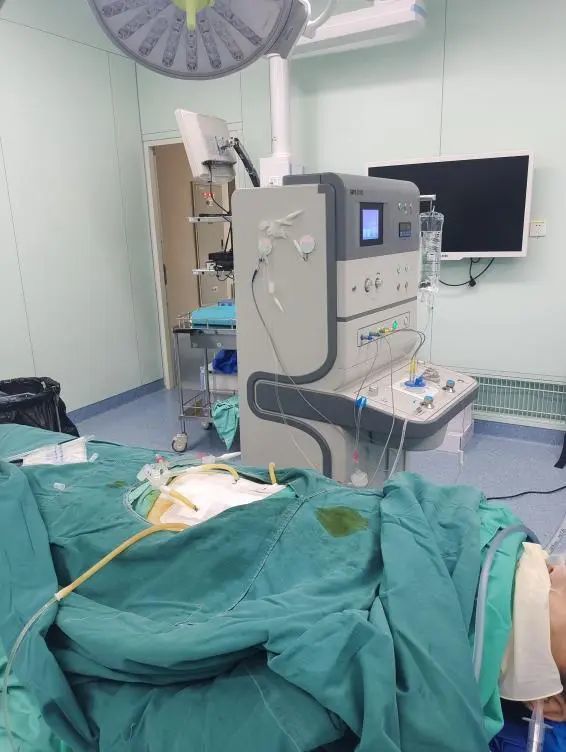
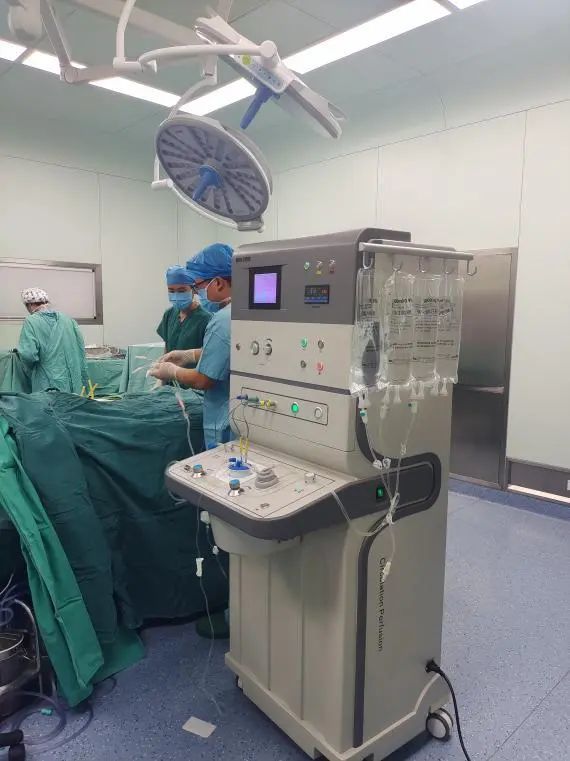
Oncology Department's First Intraperitoneal Hyperthermic Chemotherapy Treatment
II. Clinical Indications
Treatment of gastric cancer, colorectal cancer, and intraoperative and postoperative prevention and treatment of implantation and metastasis;
Perfusion treatment of cancer cells, metastatic nodules, and residual lesions that cannot be surgically removed;
Perfusion treatment of malignant ascites (pleural and peritoneal);
Perfusion treatment of ovarian cancer metastases;
Treatment of malignant thoracic and abdominal mesothelioma;
III. Contraindications
Patients with severe thoracic and abdominal adhesions;
Bowel obstruction, hepatic cirrhosis with ascites;
ECOG > 2, extremely debilitated physical condition, unable to tolerate hyperthermic perfusion treatment;
Patients with bleeding tendencies;
Patients with uncontrolled hypertension, heart disease, cerebrovascular accident, coronary heart disease, or arrhythmia;
Patients with advanced malignant ascites and organ failure in one or more major organs such as the heart, lungs, liver, and kidneys;
Patients with inguinal hernia; Inguinal hernia Patient;
Patients with poor compliance;
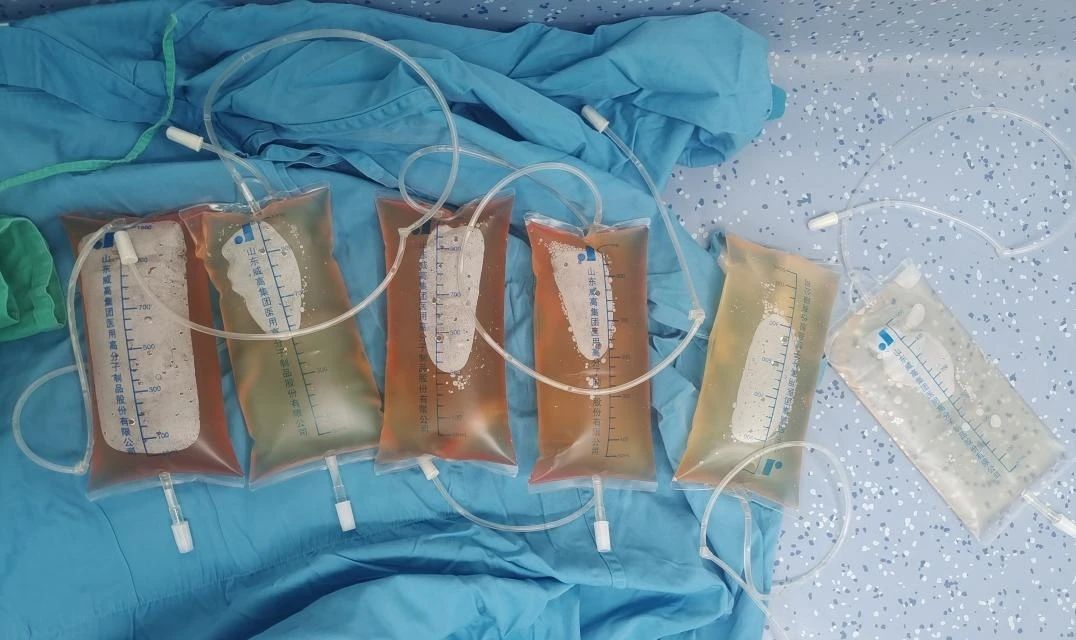
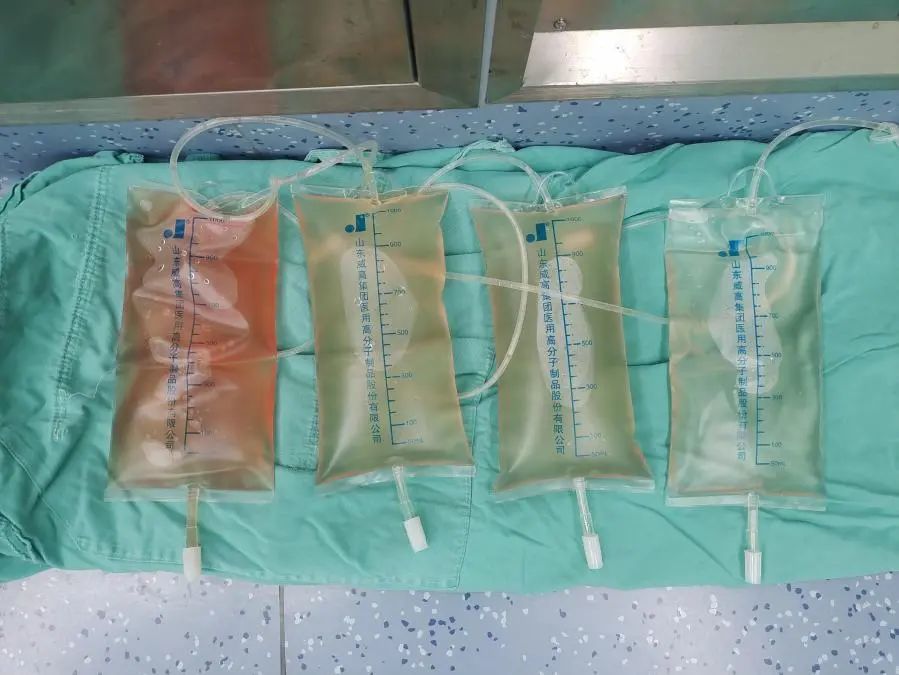
Comparison of effusion before and after the first case of intracavitary hyperthermic perfusion treatment in the oncology department
With the official launch of intracavitary hyperthermic chemotherapy technology, the oncology department will continue to be patient-centered and technology-supported, continuously deepening the research and application of the peritoneal cancer standard treatment plan combining tumor cytoreductive surgery ( CRS ) and intraperitoneal hyperthermic chemotherapy (HIPEC), improving treatment efficacy, prolonging life, and improving quality of life. Intraperitoneal hyperthermic chemotherapy (HIPEC), as a green and safe auxiliary treatment for tumors, has great advantages in preventing and treating intraperitoneal metastasis of malignant tumors and malignant ascites treatment.
Intraperitoneal hyperthermic chemotherapy (HIPEC) is open to the whole hospital. After patients with malignant pleural and peritoneal effusion are treated in the oncology department, they return to their original departments for other treatments. The oncology department will provide follow-up support.
Article source: Lanzhou No. 1 People's Hospital Micro Release
Key words:
Related News

· China Good Doctor ·
· Good friends of human beings ·
Address: Floor 1-2, Left Building No. 1, Huoju Road, East zone of Xi’an High- tech Development District, Xi’an, China
Copyright Xi'an Good Doctor Medical Technology Co., Ltd.
Internet Drug Information Service Qualification Certificate (Shaanxi)-Non-Operating -2023-0143